How to Live Off Grid
Although living off the grid is not always difficult, many things to consider when you first begin. In order to start living off the grid, there are a few things you need to get perfect that you had not previously considered. Let me assist you in avoiding the straightforward errors that most novices make.
Preparing to Move Off Grid
Starting from your current location, the first three steps of this shifting off-grid process begin. Planning, preparing, and personal development are required to make a move and handle the challenges.
Pay attention to money first. While it is possible to completely cut ties with the outside world on a shoestring budget, the procedure is much simpler if you are debt-free and have some extra cash. Calculate your total spending, then come up with a plan to start saving and pay off your debt. It’s possible to reduce spending and make savings every single day. Furthermore, a smart initial step to getting off the grid is frequently downsizing.

Second, while you’re still connected to the grid, spend some time learning important abilities that you could be missing. Free online tutorials can be found on this page, on YouTube, or in books that explain how to:
- Food preparation or storage
- Create or keep a house
- Foraging and hunting
Begin the land search now, at last. The search for quality off-grid real estate can be challenging, but if you know where to look and how you can find many excellent opportunities. Most of these prime properties aren’t on Zillow or the Multiple Listing Service of your neighborhood real estate agent.
Planning Your Off-Grid Homestead
The real fun starts when you have the land and are ready to get started. As it can be simple to make dumb mistakes in the beginning when laying everything out, this is the most important aspect of getting off the grid. The worst mistake, however, and one that nearly always results in difficulty or pain, is not planning at all.
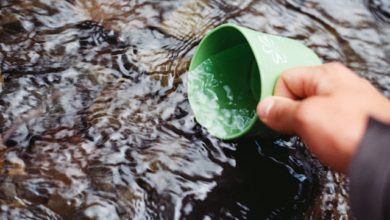
Water. The most crucial area to cultivate on your farm is likely the water. It can be expensive and time-consuming to install good water sources. However, bringing in water can be difficult and expensive. To succeed off-grid, you must take the time to plan out your water needs and start with a reliable, redundant, affordable system.
Housing. The choice of your living situation will determine your success. Making these important choices can make a living off the grid much more enjoyable. A proper off-grid home can be a true advantage rather than the burden that a standard home with a mortgage normally becomes, especially with the increasing number of unconventional ways of living. It would be best if you thought about choices like an owner-built home, a tiny home, an RV, a cabin, a cob house, a natural building, or a yurt.
Waste management. Septic systems may be costly and unpleasant. Humanure and biogas are two modern homesteading choices that can turn your waste into a resource. Similar to this, greywater systems transform waste into food. Select the appropriate system while adhering to the legislation.
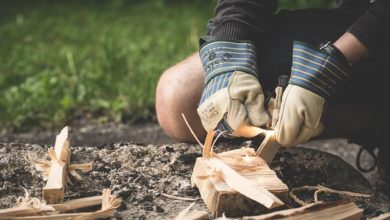
Heating and cooling. To minimize the cost and time commitment of heating and cooling your off-grid house, make the most of the resources you already have. The majority of the time, wood is a wise choice because it is well insulated and offers possibilities for inexpensive yet effective wood stoves, such as rocket mass stoves or masonry ovens. An off-the-grid home can be effective and comfortable with passive solar and earth-based cooling.
Power generation. Off-grid power is affordable and widely available these days. Decide whether to invest in better appliances rather than more power and choose the suitable sizing. Saving thousands on your off-grid solar or micro hydro system is frequently possible via efficiency and inventive system design.
Sustaining and Growing on Your Homestead
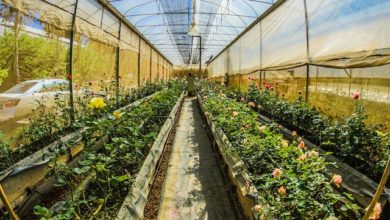
The next phase is to expand your food supply and storage facilities once you have utilities and processes in place. Planting your garden, fields, or food forest should be your first step. Priority one is creating healthy soil, followed by claiming the land for gardens and installing irrigation systems. After that, you’ll be prepared to plan when to sow and harvest your crops. With subsistence farming, it’s crucial to plan your planting to take advantage of the growing season, have access to fresh food for as long as possible, and have enough food stored for the winter.
You can start considering including cattle after the crops are prepared. The off-grid homestead benefits greatly from having animals, despite the fact that they can be a bit of a commitment. Any livestock should be planned not just to supply meat, eggs, or milk but also to use their abilities to advance the homestead by fertilizing the soil, controlling pests, reusing agricultural waste, and cleaning the area.

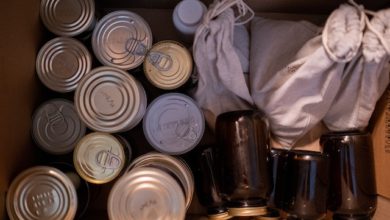
The time has come to consider food storage, at last. Canning, smoking, drying, fermenting, root cellaring, and dry storage are just a few techniques that work well for off-grid food storage. In order to do this, it is necessary to construct functional storage areas such as pantries, cellars, and barns. To quickly process your crop, you also need a lot of room and the appropriate tools.
It is a good idea to scale up over time for each stage of the food manufacturing process. Concentrate on one crop or procedure at a time, and after you have mastered it, move on to the next. Your pantry and arsenal of culinary talents will grow with time.
Making the Off-Grid Lifestyle Right for You
Living independently and in the way you want is the whole point of going off the grid. Finding yourself, building a solid family, and developing a connection to nature should be the ultimate goals of the relocation. The basic joys that make life wonderful have mostly disappeared in modern culture. Build a strong community around you and give back to the world by taking the time to do so. Most importantly, have fun!
FAQS
How much money do you need to live off the grid?
How much does it cost to live off the grid? Costs associated with relocating off the grid for typical off-grid living circumstances range from $12,000 to $450,000. The typical range of monthly costs is $35 to $2,200. This takes into consideration the particular costs of living off the grid for housing, heating, water, and gardening.
Can you live fully off-grid?
Off-grid living is not against the law, particularly when generating your power, growing your food, or constructing your own home. The issue with living off the grid, however, is when zoning regulations and local laws forbid you from doing certain activities on your property or in your yard.
What do I need to know before going off the grid?
Before leaving the grid, you should be aware of the following five things:
• Your appliances and lighting. It would be best if you converted your lighting before switching to solar electricity.
• The amount of room you have. There are a lot of areas needed for a solar power system.
• The constant upkeep.
• Your fallback strategy
• The unstated expenses
• How much would go off the grid cost?
What is off a grid lifestyle?
Off the grid refers to not having any physical connections to utilities, such as pipes, wires, or cables. Therefore, off-grid residences are dependent on their energy sources, which are frequently renewable energy sources like the sun and wind.
Is living off the grid healthy?
Living off the grid enables you to perform fulfilling jobs every day, which raises happiness and well-being. Your cortisol output is therefore decreased, supporting immunological control and brain function to promote physical and mental health.
How can I survive without a job?
Here is How I Make a Good Living Without Working Full Time.
• Manage your spending; being a little thrifty can help you avoid jobs.
• Spread out your revenue. …
• Keep money in the bank at all times.
• Continue seeking out new revenue sources.
• Take into account “Employment Projects.”
• Only have excellent debt.
• Create a change plan.
Why do people decide to live off the grid?
Living off-grid is a liberating way of life that entails being separate from “the System.” You don’t need the typical metropolitan infrastructure because you can support yourself. Living off the grid allows you to reconnect with nature by providing your water, power, and even food through gardening.
How can I live without electricity?

10 Tips for Living Without Electricity
- Compile a list of necessities. …
- Be aware of how to turn off your water and gas valves. …
- Construct a water collection and storage system. …
- Provide a backup heating source.
- Experiment with alternative cooking techniques.
- Create a system using buckets.
- Learn to maintain your composure.
- Complete your duties in the morning.
What is the easiest state to live off-grid?
Alabama. Alabama is rated as the best state for off-grid living by many survivalist groups. Alabama has some of the lowest property taxes in the country and relatively low land expenses, which all contribute to the state’s low cost of living. It also serves as the home to several counties that don’t have construction codes.
What are some disadvantages of living off-grid?
The disadvantages of off-grid living include:
- High upfront cost. It can be expensive to set up your energy source, water supply, and waste disposal.
- There is a lot of work involved. …
- Things can go awry from time to time.
- Isolation.